Berry bushes are tougher than they look, but winter asks a lot of them. Once the ground freezes, roots can no longer replace the moisture that cold wind and low sun pull out of canes and buds. The damage usually shows up in March: browned tips, blackened canes, crowns heaved half out of the soil.
Most of the fix is about timing. A few chores finished before the ground locks up, a little attention during the coldest weeks, and a careful start to spring will carry raspberries, blackberries, blueberries, currants, and gooseberries through almost anything a normal winter offers.
Not every berry bush needs the same treatment, and treating them all alike is how gardeners lose canes they didn't have to lose.
A plant that goes into winter dry goes into winter weak. Give every bush a long, slow soak in late fall, ideally a day or two before a hard freeze is forecast. This matters most for blueberries and anything growing in sandy soil, where water drains away quickly.
Stop feeding nitrogen by midsummer. Late nitrogen pushes soft new growth that winter kills outright. Phosphorus and potassium are fine earlier in the season; nothing is needed in fall.
Then rake. Fallen leaves, shriveled fruit, and pruned canes left on the ground are winter housing for disease and insect eggs. Clear the ground under and around each bush, and cut out any cane that fruited this year, plus anything thin, broken, or spotted. Cane blight and similar problems overwinter in exactly that material.
Two to four inches of shredded leaves, straw, or pine bark is enough for most berry bushes. Blueberries appreciate pine bark or leaf mold, which suits their preference for acid soil. Spread it in a wide ring around the plant.
Here's the part people get wrong: mulch should stop several inches short of the crown. Piling it against stems traps moisture, invites rot, and gives mice and voles a cozy tunnel right up to the bark they like to gnaw. In cold climates, wait until the ground has frozen an inch or two deep before adding an extra layer for insulation. Mulching too early keeps soil warm, which keeps rodents active.
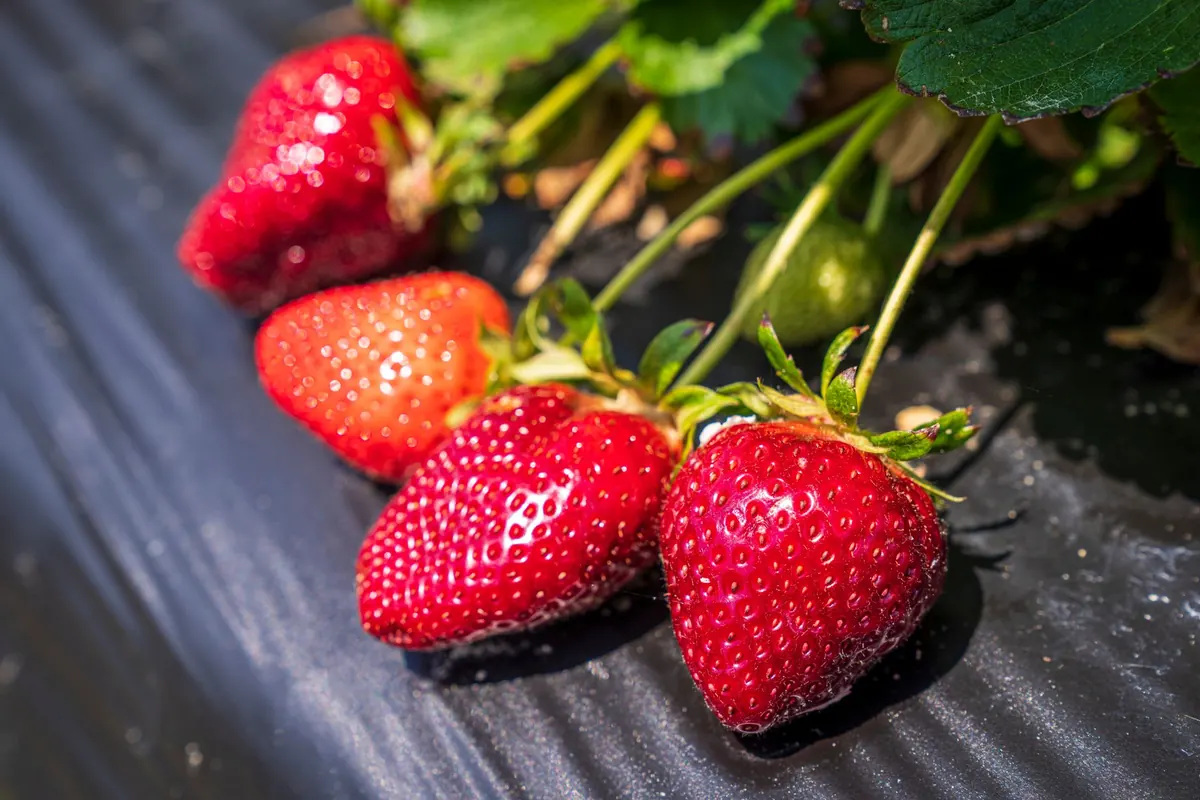
After two or three hard frosts, cover strawberry crowns with three to four inches of clean straw. A loose layer of pine needles works well too.
For container plants, sink pots into the ground or group them against a sheltered wall and pack mulch around and over them. Insulating the pot itself helps more than wrapping the top growth. Keep pots off wet pavement, where freeze-thaw cycles are harshest.
Wind does more winter damage than cold alone. Canes that whip back and forth rub bark off each other and dry out at the tips. Gather raspberry and blackberry canes into a loose bundle and tie them with twine or a soft tree tie — snug enough to hold, never tight enough to pinch. If you grow blackberries on a trellis, tie the canes to the wires before the first storm.
Where winters are severe, bend trailing blackberry canes down along the ground and cover them with straw or burlap, then weight the covering so it stays put.
Winter burn is the other culprit: sun and wind pulling moisture from frozen ground. A burlap screen stapled to stakes on the windward side of blueberries or other tender shrubs cuts that drying effect. Leave the top open. Never wrap a bush in plastic sheeting — it holds moisture in, and the result is mold and dead buds.
Think of winter protection as three separate jobs: keep the roots steady, keep the canes still, and keep the wind off. Everything else is detail.
Mice and voles do their worst under snow cover, chewing bark at the base of canes while you see nothing above ground. A cylinder of quarter-inch hardware cloth set a few inches into the soil around each trunk stops them. Rabbits clip tips above the snowline; deer browse whatever is left. Fencing is the only reliable answer where pressure is heavy.
Keep de-icing salt away from berry beds. Shovel salt-laden snow onto the driveway edge, not onto the garden, and use sand or grit for traction near plantings. Heavy snow loads can flatten tall canes, so if a bush tends to splay, tuck a stake or two inside the bundle before the first big storm.
Undo the work slowly. Remove burlap and pull mulch back over a week or two rather than in one afternoon, and choose a cloudy day so tender buds don't scorch. Wait until the worst of the frost has passed before uncovering strawberries, but don't leave a thick mat of straw over crowns that have started to push new leaves.
Then check for winterkill. Bend a cane: if it snaps cleanly, it's dead, and if it flexes, it's alive. Scrape a little bark near the tip — green underneath means the cane is worth keeping. Prune dead wood back to healthy growth once buds begin to swell, and leave a permanent two to three inches of mulch in place year-round. The bushes that come through winter best are usually the ones that were put to bed on time.
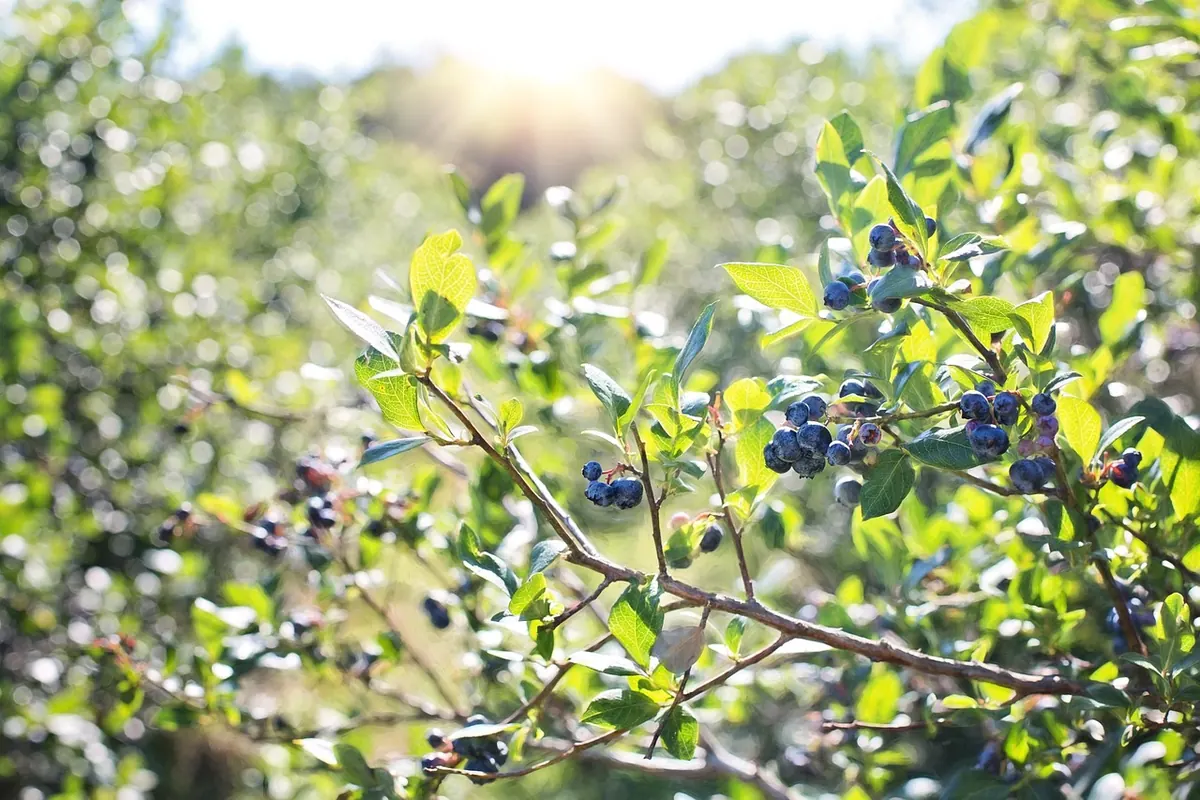
Photo: JillWellington / Pixabay